
Siding is one of the first exterior surfaces to show weather damage, but the cause is not always obvious from the ground. A loose panel, small crack, faded section, or area of warping may look like a simple cosmetic issue at first. In some cases, it is. In others, it can point to moisture getting behind the siding, poor fastening, damaged trim, or an installation problem that needs to be corrected before the damage spreads.
That is why it helps to understand how residential siding contractors in Mississauga handle weather damage. Your siding has to deal with humid summer heat, heavy rain, wind-driven storms, freezing winter temperatures, snow, ice, and repeated freeze-thaw cycles. Those conditions can expand small gaps, loosen older materials, and expose weak points around panels, seams, trim, and exterior corners.
A professional assessment looks at more than whether a damaged section can be replaced. It also identifies why the damage happened, whether the wall system behind the siding is still protected, and what needs to be done to prevent the same issue from returning.
Identifying the Type of Weather Damage
The first step residential siding contractors in Mississauga take is identifying what kind of weather damage your siding has. Different problems point to different causes, so the visible condition of the siding can help determine whether you are dealing with surface wear, impact damage, moisture exposure, or installation-related movement.
After heavy wind or storms, contractors often look for loose panels, lifted edges, missing fasteners, and sections that have shifted out of alignment. These issues can leave parts of the wall more exposed to rain and moisture. During hot, humid summer weather, siding may also show signs of warping, buckling, or expansion if the material was installed too tightly or does not have enough room to move. In winter, freezing temperatures and ice can make existing cracks worse, especially when moisture gets into small openings and expands as it freezes.
Contractors also check for dents, chips, fading, gaps around trim, and water stains near seams or corners. These signs can show whether the damage is only affecting the outer surface or whether water may be reaching the layers behind the siding. If your siding looks uneven, loose, or soft in certain areas, that can also suggest a deeper problem that needs to be inspected before repairs begin.
This inspection stage matters because weather damage is not always limited to the panel you can see. A proper assessment helps determine what caused the issue, how far it has spread, and whether a simple repair will be enough to restore protection.
| Type of Weather Damage | What Residential Siding Contractors Check |
| Loose or shifted siding panels | Whether wind, aging fasteners, or poor installation caused the siding to move out of position. |
| Warping or buckling | Whether humid summer heat, tight installation, or lack of expansion space is causing the siding to bend or distort. |
| Cracks or small openings | Whether freezing temperatures and freeze-thaw cycles have made existing damage worse or allowed moisture behind the siding. |
| Dents or impact marks | Whether hail, branches, debris, or storm impact damaged only the surface or created a weak point in the siding. |
| Water stains near seams or corners | Whether rain is getting behind the siding through gaps, failed trim, poor flashing, or exposed edges. |
| Faded or worn finish | Whether sun exposure and weathering are cosmetic issues or signs that the material is aging and losing protection. |
| Soft or damaged areas behind siding | Whether moisture has reached the wall system and caused damage beyond the visible exterior panel. |
| Repeated damage in the same area | Whether the real issue is poor drainage, improper fastening, missing flashing, or an installation problem that needs correction. |
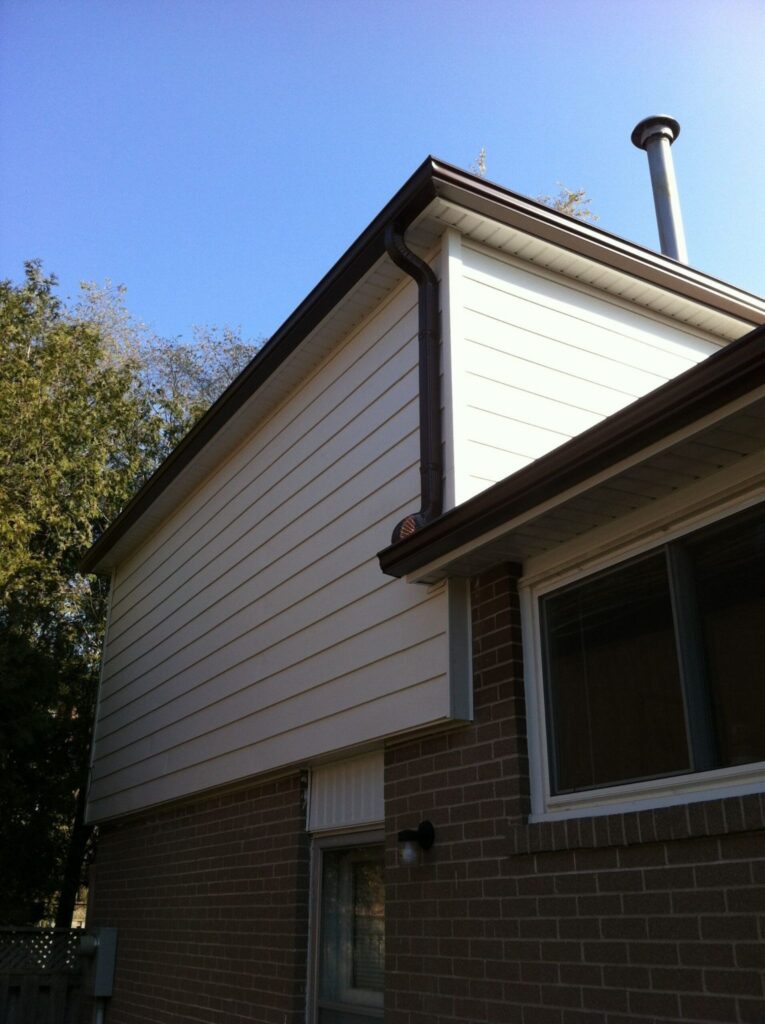
Checking Whether the Damage Is Surface-Level or Structural
Once the visible damage has been identified, the next step is determining how deep the problem goes. Some siding damage is limited to the outside surface. A faded panel, minor dent, or isolated chip may not affect the protection behind the siding. Other signs, such as soft areas, staining, loose sections, or gaps near trim, can suggest that moisture has moved behind the exterior surface.
This distinction matters because your siding is part of a larger wall protection system. If wind-driven rain gets behind a damaged section, it can affect the sheathing, insulation, trim, or framing behind it. In Mississauga, heavy rain and freeze-thaw cycles can make this worse over time. Water that enters a small opening can freeze, expand, and push materials apart, creating a larger path for future moisture.
Residential siding contractors in Mississauga will usually check the surrounding areas before recommending a repair. They may look at seams, corners, trim, flashing, caulking, and the lower edges of the siding to see whether water is being directed properly. If the same area keeps showing damage, the issue may be connected to poor drainage, improper fastening, or an installation detail that is allowing water to collect.
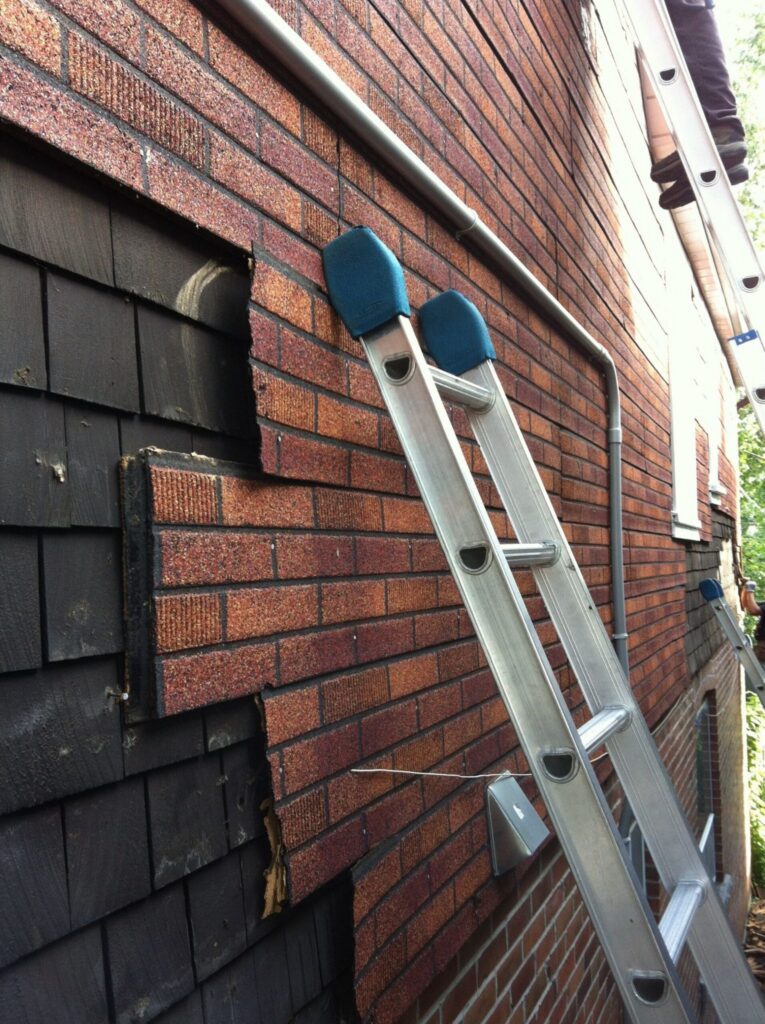
A proper inspection helps you avoid covering up a deeper problem with a quick surface repair. If the wall system is still protected, a localized siding repair may be enough. If moisture has reached the materials behind the siding, the contractor may need to remove damaged sections, correct the source of the water entry, and replace the affected exterior components.
Repairing, Replacing, or Reinstalling Damaged Siding
After the inspection, the contractor can determine whether your siding needs a small repair, a partial replacement, or a more complete reinstallation. The right solution depends on the type of damage, how far it has spread, and whether the original installation is still protecting the wall properly.
If the damage is isolated, a repair may involve replacing one or more affected panels, securing loose sections, correcting small gaps, or restoring damaged trim. This can be the right approach when the surrounding siding is still in good condition and the wall behind it has not been affected by moisture. For example, a panel damaged by wind or impact may be repairable without replacing the entire exterior.
When the damage is more widespread, replacement may be the better option. Repeated warping, loose panels across several areas, moisture staining, or siding that no longer sits properly can all suggest that the system is no longer performing as it should. In Mississauga, the shift from humid summer heat to freezing winter conditions can make these problems worse if the siding has already started to move, crack, or separate.
In some cases, the issue is tied to how the siding was installed in the first place. Panels may have been fastened too tightly, trim may not have been sealed properly, or flashing may not be directing water away from vulnerable areas. When that happens, residential siding contractors in Mississauga need to correct the underlying installation problem so the same damage does not return after the repair.
Before deciding whether to repair or replace damaged siding, a contractor should check:
- Whether a repair will solve the issue or only cover it temporarily
- Whether the damage is limited to one area or spread across multiple sections
- Whether moisture has reached the wall system behind the siding
- Whether panels are cracked, warped, loose, or pulling away from the exterior
- Whether trim, flashing, seams, or corners are allowing water behind the siding
- Whether the original siding was fastened too tightly or too loosely
- Whether surrounding panels are still strong enough to keep in place
- Whether the damage was caused by weather, impact, aging materials, or poor installation
Work with Century Aluminum for Siding Damage in Mississauga
Weather damage should be handled with a clear understanding of what caused the problem and what your siding needs to stay protected long-term. A loose panel, cracked section, or area of warping may seem minor, but if moisture, poor fastening, or weak trim is involved, the repair needs to address more than the visible surface.
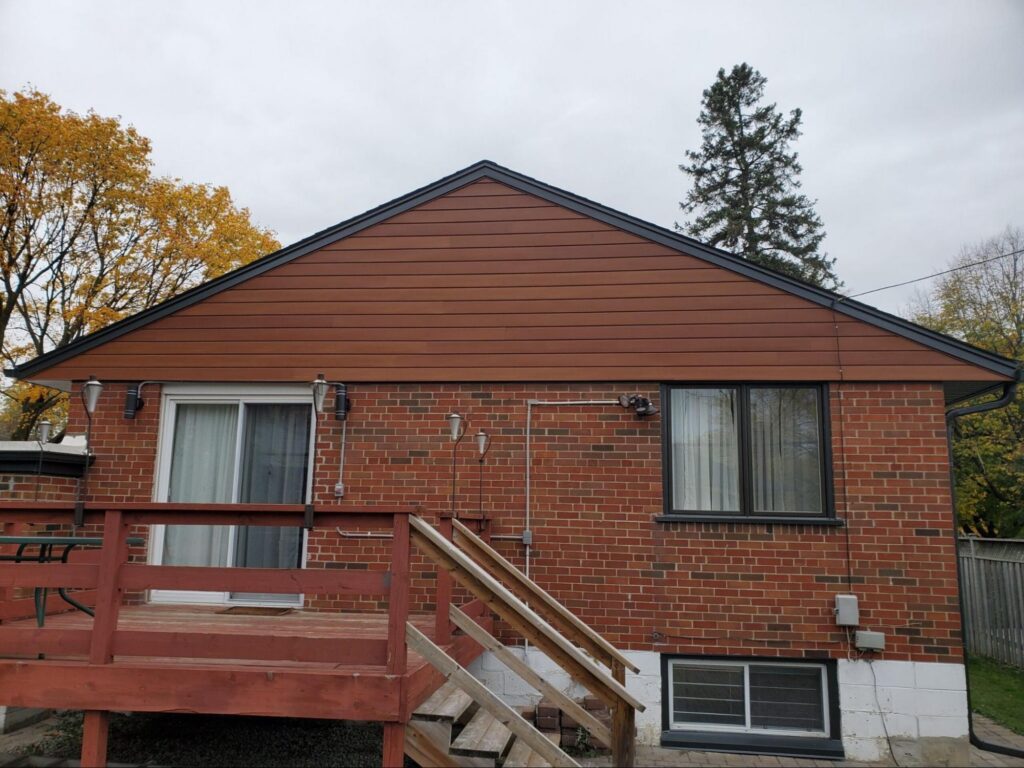
Century Aluminum provides professional siding services in Mississauga for homeowners dealing with weather-damaged exterior materials. Our team understands how heavy rain, humid summer heat, wind, snow, ice, and freeze-thaw cycles can affect siding over time. That local experience matters when deciding whether your home needs a targeted repair, panel replacement, improved fastening, or a more complete exterior update.
With experience in aluminum siding, soffit & fascia, eavestroughs, and custom exterior aluminum work, we can assess the condition of your siding and recommend the right next step. If you are seeing signs of weather damage on your exterior, contact Century Aluminum today to schedule an assessment and protect your home before the issue spreads.