How to properly clean eavestroughs in Toronto? Tips From professional!
How to properly clean eavestroughs in Toronto? Tips From professional!
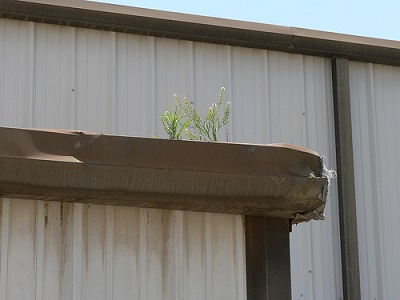
Eavestroughs play a vital role in protecting your home’s foundation and landscaping by channeling rainwater and melting snow away from the structure. However, these systems can become clogged with debris, such as leaves, twigs, and dirt, which can lead to damage and water buildup. Properly cleaning eavestroughs in Toronto is essential for ensuring their proper functioning and avoiding costly repairs. Here are some tips and techniques for cleaning eavestroughs effectively and safely.
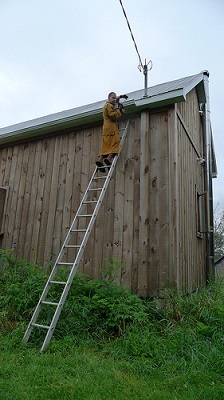
Safety first: Before starting any cleaning work, make sure to take safety precautions. Wear gloves and safety glasses to protect your hands and eyes from debris, and use a sturdy ladder that is placed on level ground. Never lean a ladder against the eavestroughs themselves, as this can damage them and cause instability.
Check the weather: It’s best to clean eavestroughs during dry weather, as wet debris can be more difficult to remove and can make the cleaning process more dangerous. Additionally, wet eavestroughs can be slippery and increase the risk of falling.
Remove debris: Start by removing any large debris, such as leaves and twigs, by hand or with a small scoop. Place the debris in a bucket or trash bag, rather than letting it fall to the ground and potentially causing a mess.
Use a hose: After removing the larger debris, use a garden hose to flush out any remaining dirt, leaves, and small debris. Begin at the farthest end of the eavestroughs from the downspout and work your way towards it, ensuring that the water is flowing freely through the system. Use a high-pressure nozzle to dislodge any stubborn debris and make sure to aim the water away from the house and any landscaping.
Check for clogs: If the water does not flow freely through the eavestroughs, there may be a clog. Use a plumber’s snake or a long stick to dislodge any debris that may be causing the blockage. Avoid using sharp objects that could damage the eavestroughs.
Inspect for damage: While cleaning the eavestroughs, take the opportunity to inspect them for any signs of damage or wear. Look for cracks, rust, or loose connections that may need to be repaired or replaced. Catching these issues early can save you from costly repairs later.
Consider a professional cleaning: If you are uncomfortable with cleaning the eavestroughs yourself or if the system is particularly clogged or damaged, consider hiring a professional eavestrough cleaning service in Toronto. A professional cleaner has the experience, tools, and knowledge to safely and effectively clean your eavestroughs and ensure they are functioning properly.
In conclusion, properly cleaning eavestroughs in Toronto is an essential part of maintaining your home’s water management system. Regular cleaning can prevent damage, protect your landscaping, and ensure the proper functioning of the system. By following these tips and taking safety precautions, you can keep your eavestroughs in good condition and avoid costly repairs in the future.
How to properly clean eavestroughs in Toronto? Tips From professional!
Eavestroughs play a vital role in protecting your home’s foundation and landscaping by channeling rainwater and melting snow away from the structure. However, these systems can become clogged with debris, such as leaves, twigs, and dirt, which can lead to damage and water buildup. Properly cleaning eavestroughs in Toronto is essential for ensuring their proper functioning and avoiding costly repairs. Here are some tips and techniques for cleaning eavestroughs effectively and safely.
Safety first: Before starting any cleaning work, make sure to take safety precautions. Wear gloves and safety glasses to protect your hands and eyes from debris, and use a sturdy ladder that is placed on level ground. Never lean a ladder against the eavestroughs themselves, as this can damage them and cause instability.
Check the weather: It’s best to clean eavestroughs during dry weather, as wet debris can be more difficult to remove and can make the cleaning process more dangerous. Additionally, wet eavestroughs can be slippery and increase the risk of falling.
Remove debris: Start by removing any large debris, such as leaves and twigs, by hand or with a small scoop. Place the debris in a bucket or trash bag, rather than letting it fall to the ground and potentially causing a mess.
Use a hose: After removing the larger debris, use a garden hose to flush out any remaining dirt, leaves, and small debris. Begin at the farthest end of the eavestroughs from the downspout and work your way towards it, ensuring that the water is flowing freely through the system. Use a high-pressure nozzle to dislodge any stubborn debris and make sure to aim the water away from the house and any landscaping.
Check for clogs: If the water does not flow freely through the eavestroughs, there may be a clog. Use a plumber’s snake or a long stick to dislodge any debris that may be causing the blockage. Avoid using sharp objects that could damage the eavestroughs.
Inspect for damage: While cleaning the eavestroughs, take the opportunity to inspect them for any signs of damage or wear. Look for cracks, rust, or loose connections that may need to be repaired or replaced. Catching these issues early can save you from costly repairs later.
Consider a professional cleaning: If you are uncomfortable with cleaning the eavestroughs yourself or if the system is particularly clogged or damaged, consider hiring a professional eavestrough cleaning service in Toronto. A professional cleaner has the experience, tools, and knowledge to safely and effectively clean your eavestroughs and ensure they are functioning properly.
In conclusion, properly cleaning eavestroughs in Toronto is an essential part of maintaining your home’s water management system. Regular cleaning can prevent damage, protect your landscaping, and ensure the proper functioning of the system. By following these tips and taking safety precautions, you can keep your eavestroughs in good condition and avoid costly repairs in the future.